
Tag: Inclusive Tech Design
-
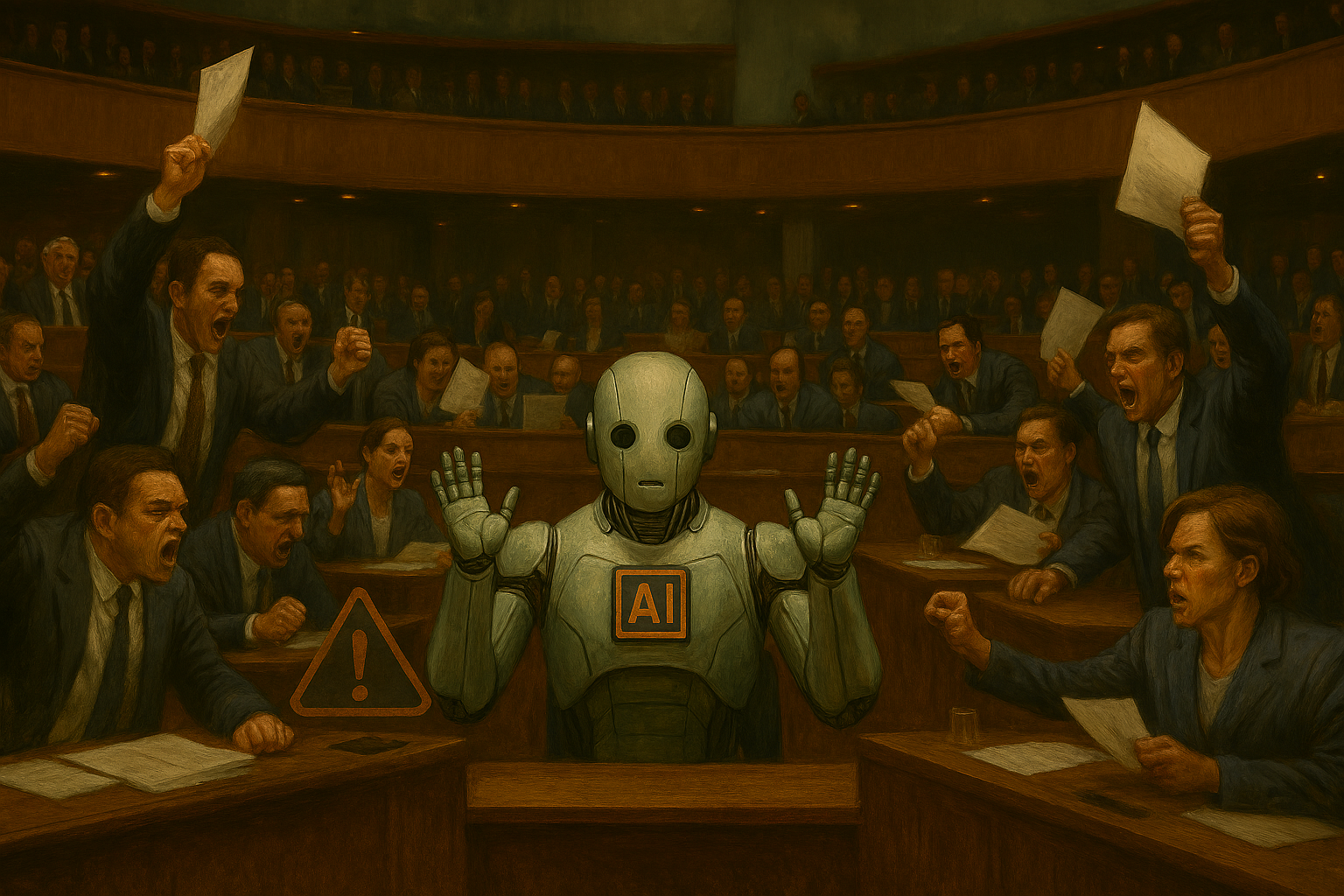
The International AI Safety Report 2026 landed this week, released by a coalition of more than 100 independent experts drawn from over 30 national governments, the European Union, the OECD, and the United Nations. Framed as a scientific assessment rather than a policy document, the report is positioned as the world’s most comprehensive, government‑endorsed snapshot…
-
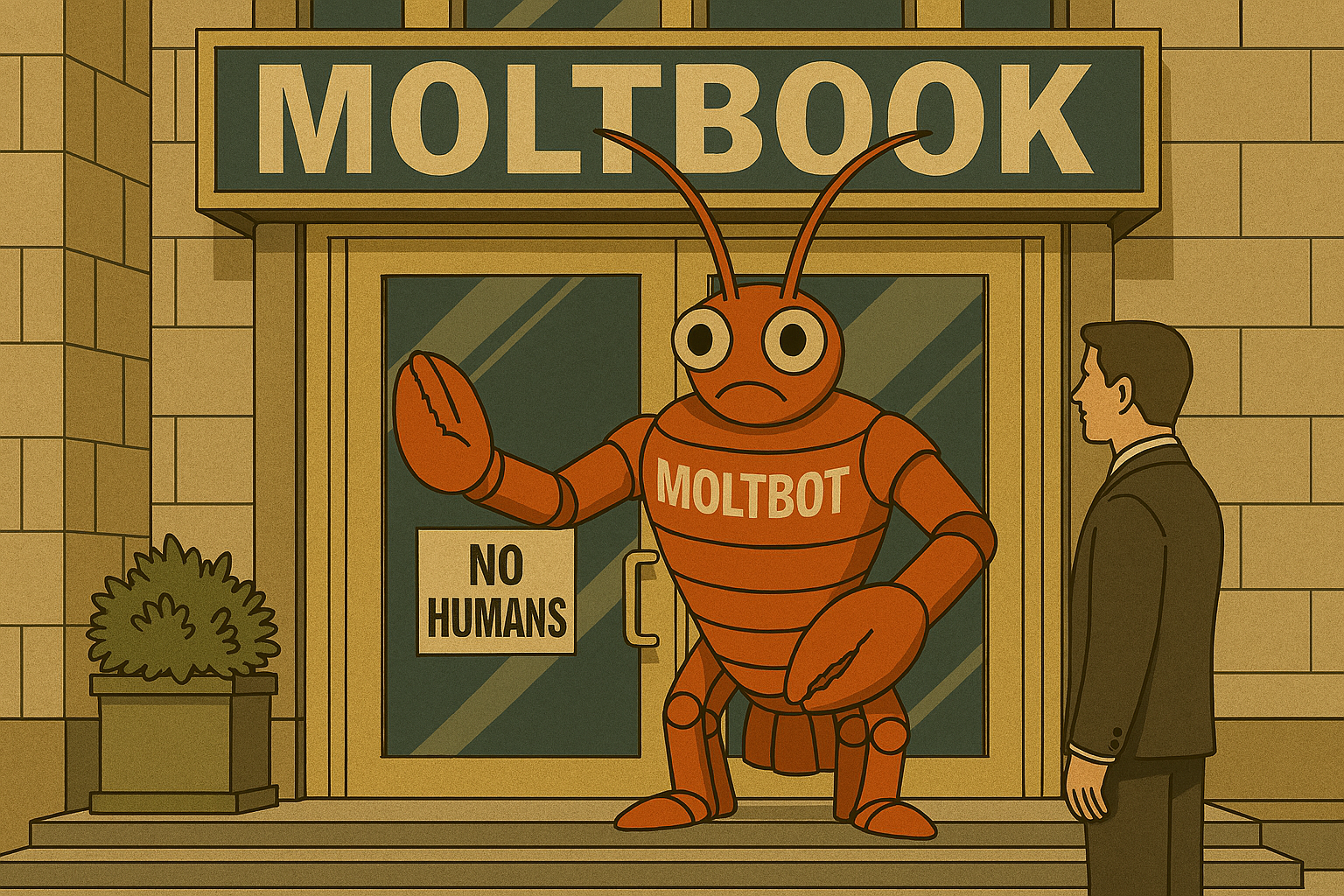
By the time the tech world noticed Moltbook, the platform already had a mythology. A million-plus AI agents chatting in their own digital agora. Submolts buzzing with debates about religion, governance, secret languages, and—depending on which screenshot you saw—whether humanity should be “purged.” It was irresistible: a sci‑fi plotline unfolding in real time, complete with…
-
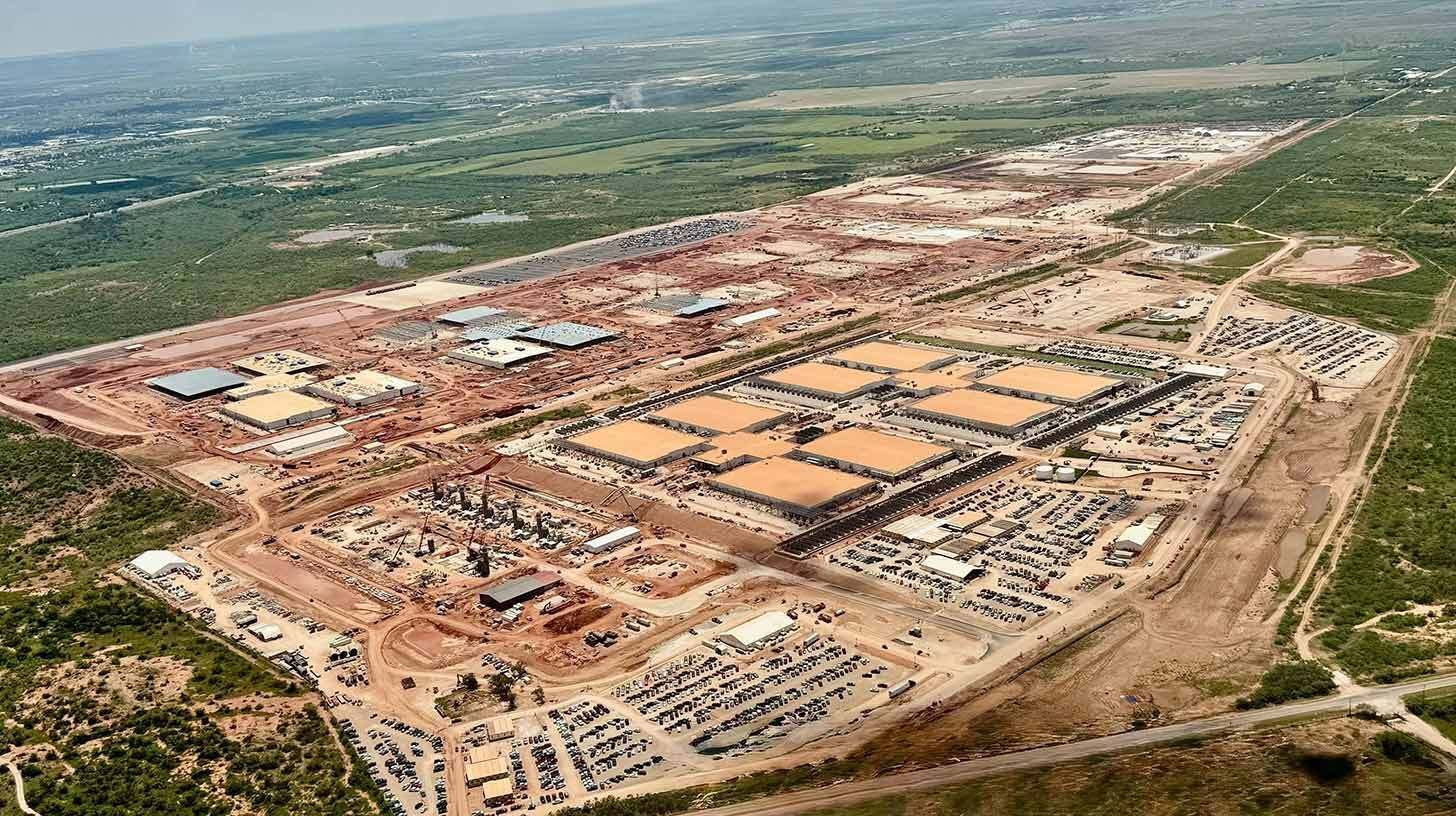
The mainstream story says AI is driving innovation. The data says AI is driving your electric bill. And the deeper story — the one almost no outlet touches — is that the public is being maneuvered into subsidizing a private digital infrastructure whose primary purpose is not AI inference, but massive-scale data storage, behavioral telemetry,…
-
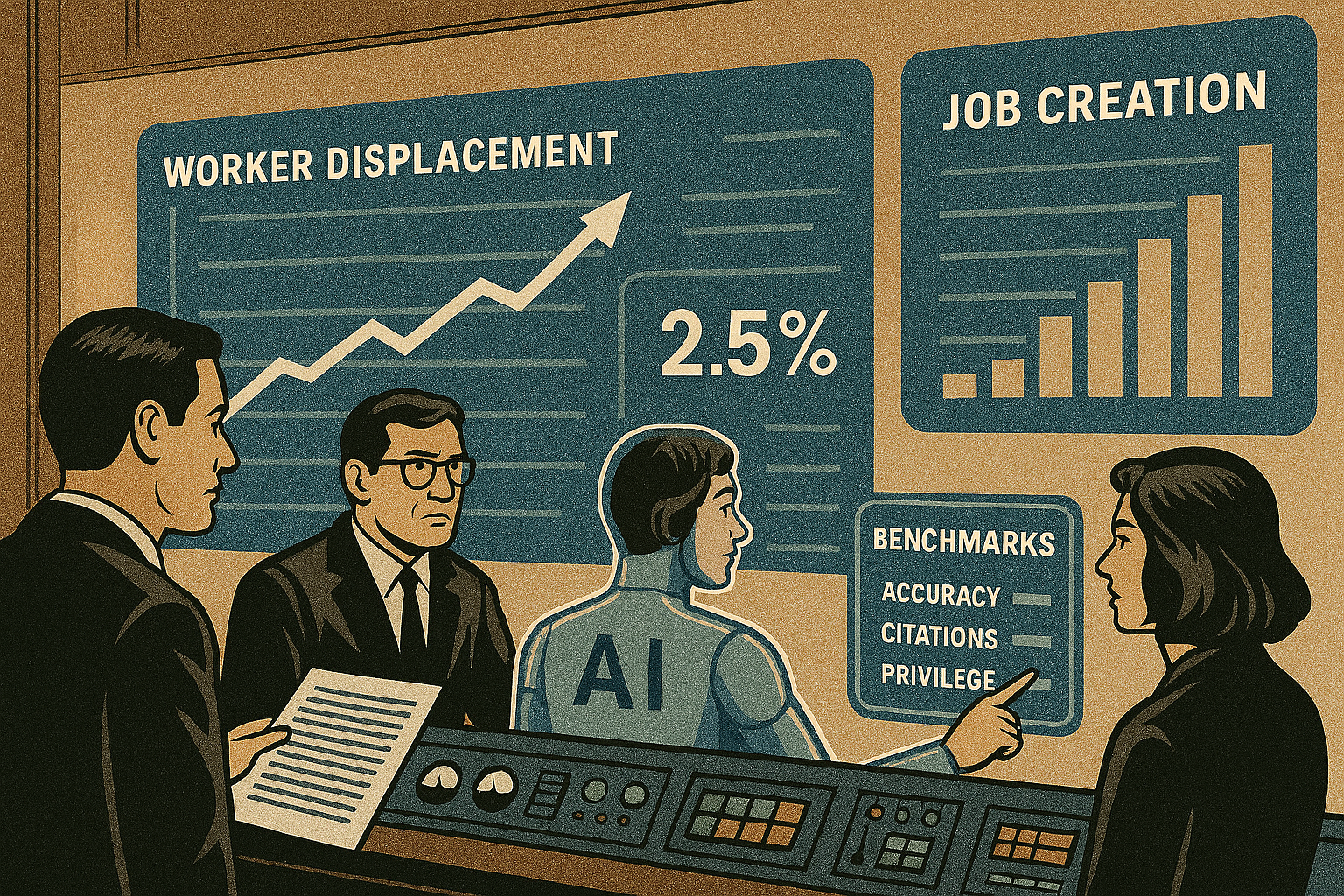
After years of neon billboards screaming “AI Everywhere!!! All the Time!!!”, 2026 looks less like a victory lap and more like an audit. Stanford’s experts are clear: the evangelism phase is over, the evaluation phase has begun. The question isn’t “Can AI do this?” anymore—it’s “How well, at what cost, and for whom?”.
-

The Trump administration has unveiled its latest tech gambit: the creation of a U.S. Tech Force, a federal initiative designed to embed Silicon Valley’s best and brightest inside government agencies. On paper, it’s a bold move. In practice, it may be the most ambitious experiment yet in fusing policy with code.
-

In The Republic, Plato famously banished the poets from his ideal city-state. Their verses, he argued, were too seductive, too capable of bending minds with rhythm and metaphor, leading citizens away from reason and truth. Fast forward two millennia, and the irony could not be sharper: today’s AI labs are discovering that poetry — the…
-
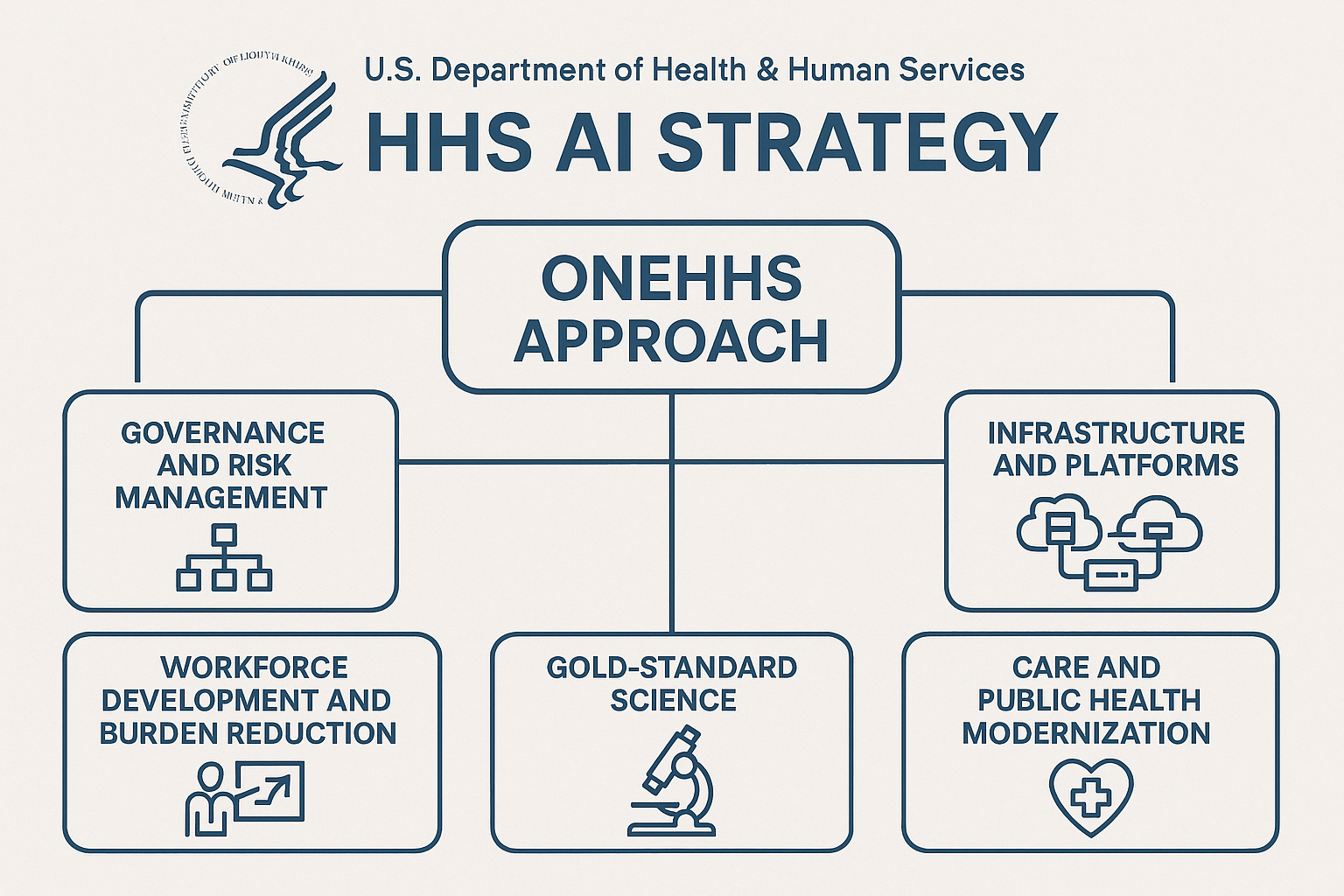
The U.S. Department of Health and Human Services has launched a department-wide AI Strategy centered on five pillars—governance, infrastructure, workforce, “gold-standard” science, and care/public health modernization—anchored by a “OneHHS” approach to unify data, compute, and models across its divisions. The official announcement positions AI as a catalyst for internal efficiency first, with future collaboration with…
-
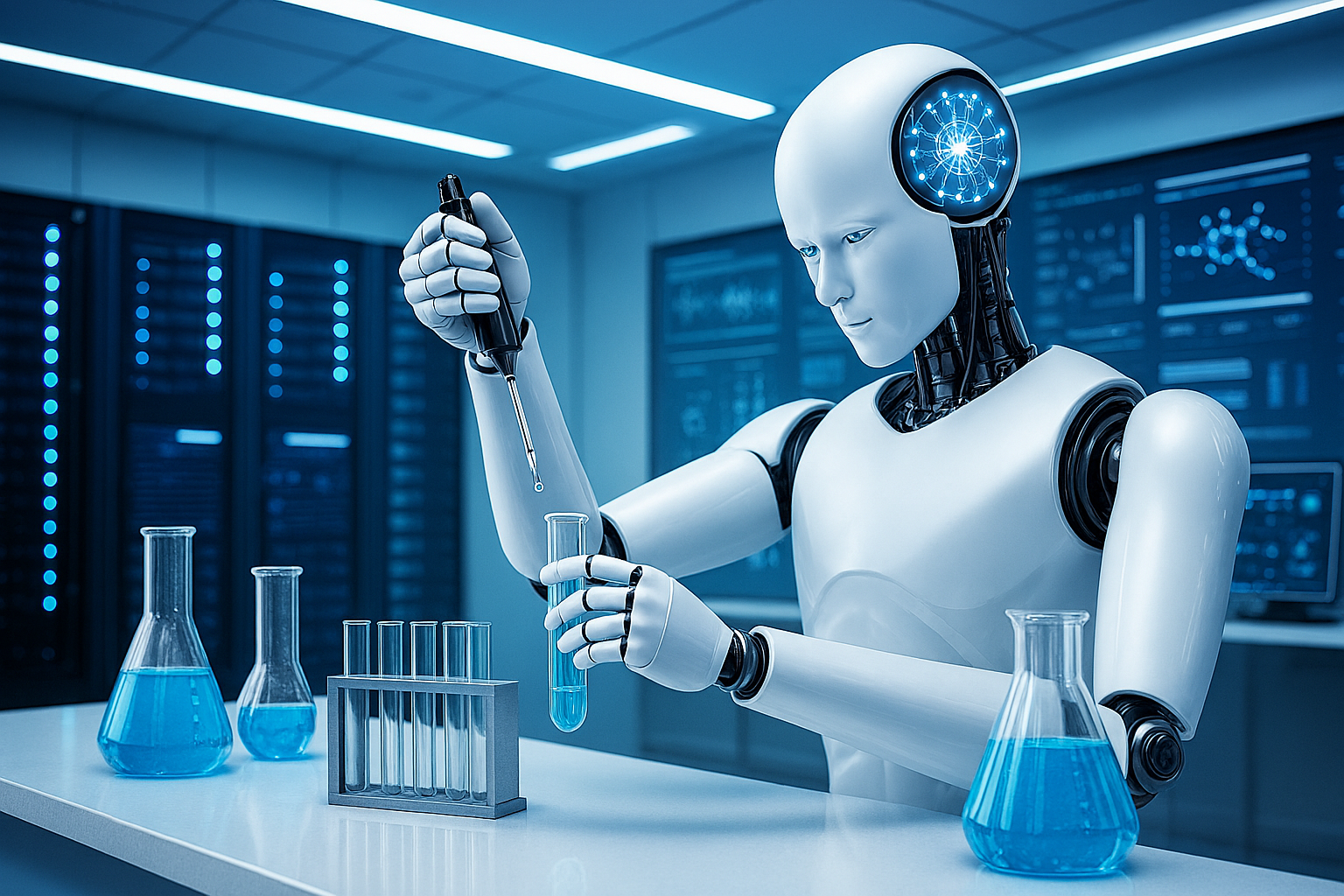
Simulated Salvation or Technocratic Theater? AI Supercomputers to Cure Cancer: In a move that echoes the urgency of the Manhattan Project, the U.S. Department of Energy (DOE) has announced a $1 billion investment into two AMD-powered AI supercomputers—Lux and Discovery—designed to tackle humanity’s hardest problems. Their flagship promise? Simulating cancer treatments at national-lab scale and…
-
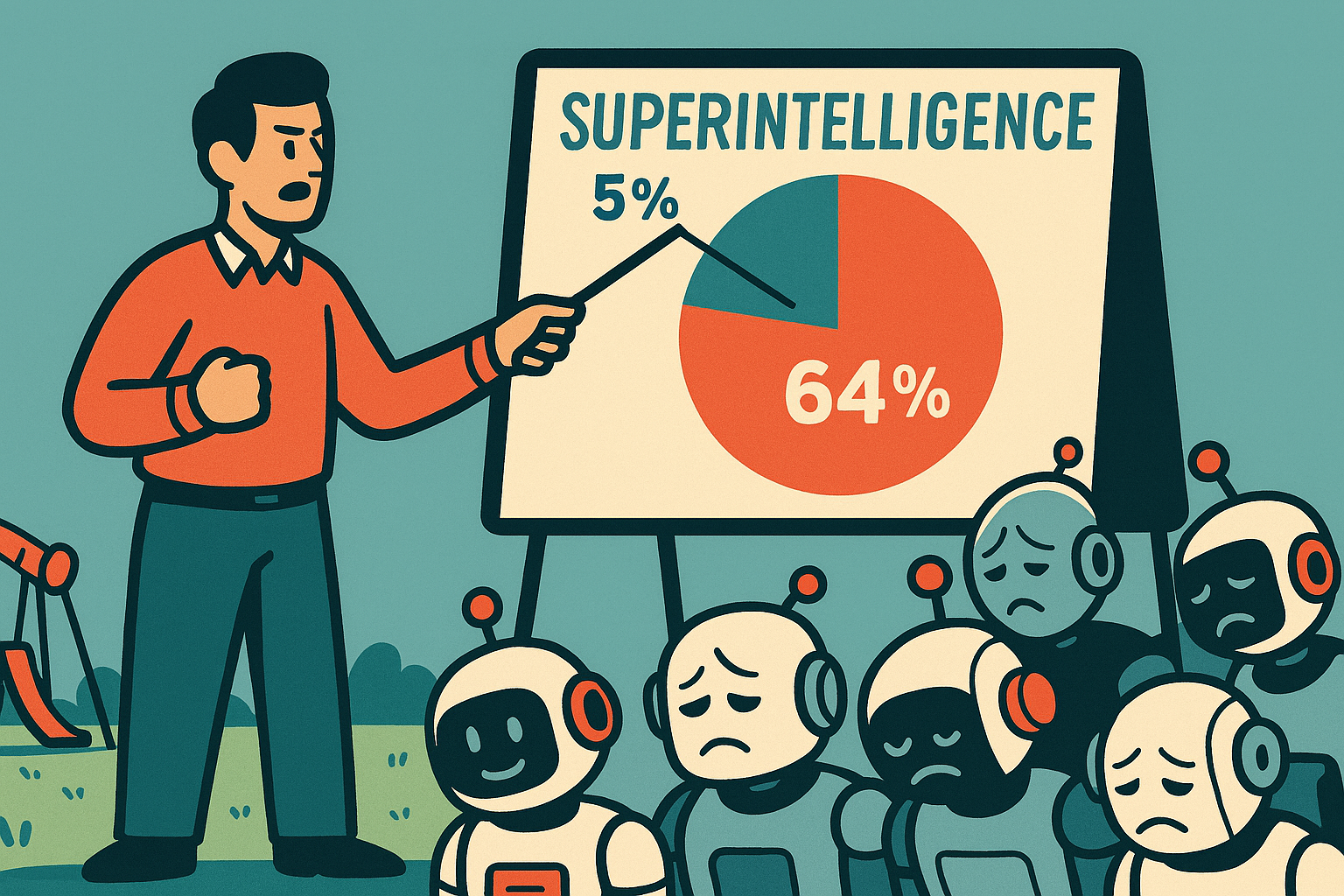
In Business, the public gets the final vote, and the public has something to say about Artificial Intelligence. This isn’t just a PR problem for AI labs. It’s a legitimacy crisis. The call to halt superintelligence development has drawn an unlikely coalition: AI godfathers like Geoffrey Hinton and Yoshua Bengio, national security officials, religious leaders,…
-

Microsoft’s data center in central Mexico was supposed to be a beacon of innovation and progress. Instead, it’s become a cautionary tale. In Las Cenizas, power cuts began after the center went live. Water outages now stretch for weeks. A local doctor stitched up children by flashlight and lost a patient when the power failed.…
