
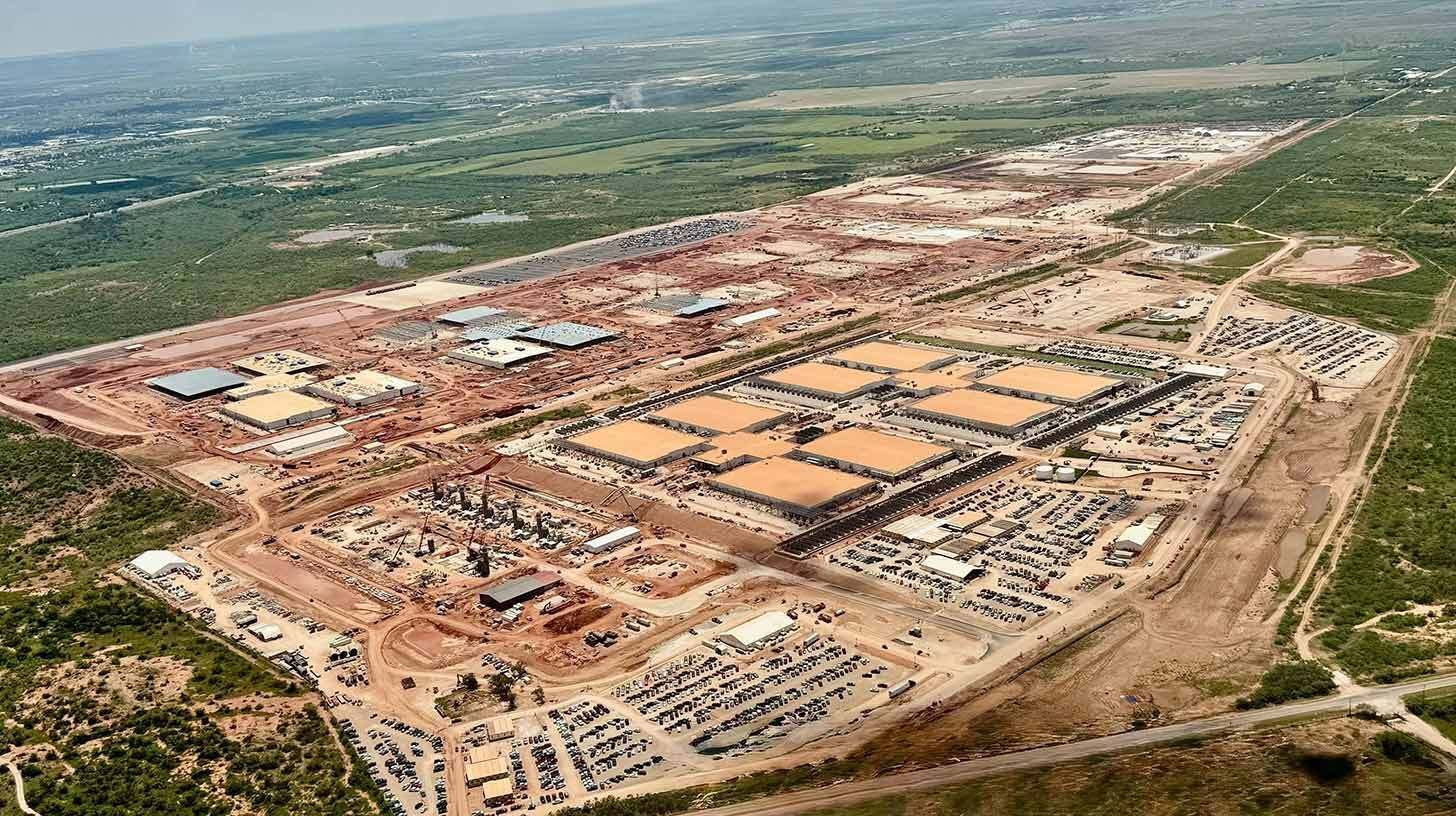
The mainstream story says AI is driving innovation. The data says AI is driving your electric bill. And the deeper story — the one almost no outlet touches — is that the public is being maneuvered into subsidizing a private digital infrastructure whose primary purpose is not AI inference, but massive-scale data storage, behavioral telemetry, and corporate control systems.
Below is the evidence.
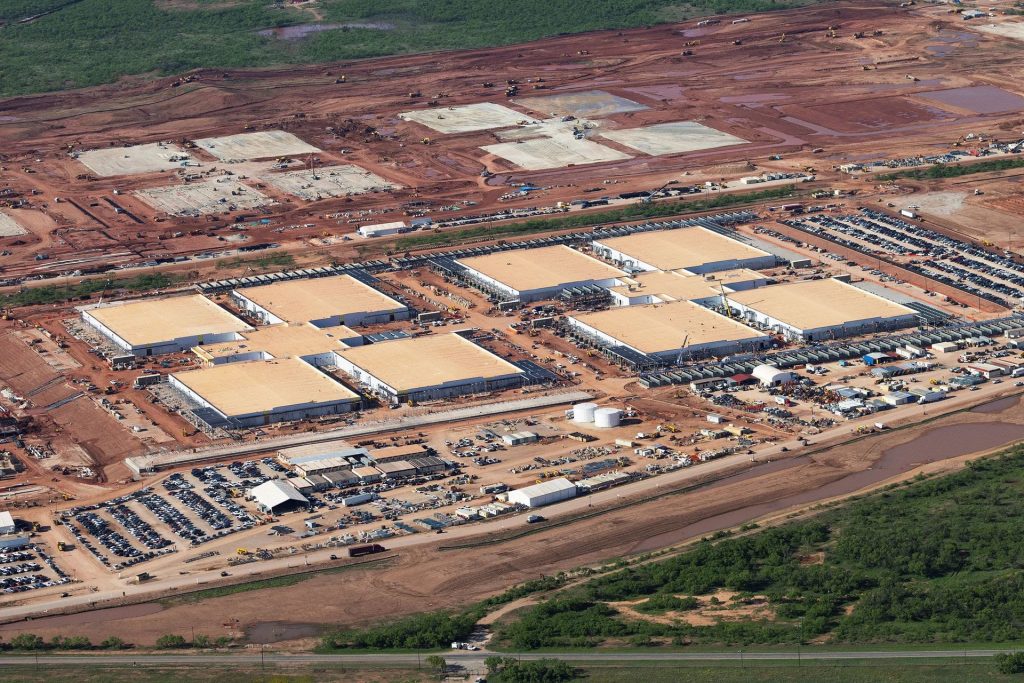
⚡1. The PJM Grid Crisis: Data Centers Are Now the Largest Single Driver of Future Power Costs
The public is being told a simple story:
“AI is the future. Data centers are necessary. The grid must expand to support innovation.”
But the data tells a very different story — one in which AI companies are not paying for the infrastructure they require, and the public is being maneuvered into footing the bill for a private digital empire.
According to Bloomberg, PJM — the largest U.S. grid — spanning 13 states — is being pushed to the brink by data center demand. The numbers are staggering:
- Data centers added $6.5B in new costs to PJM’s capacity auctions.
- Their total share is now $23.1B, or 49% of all future capacity costs for 2025–2028.
- PJM’s total capacity cost for that period is $47.2B, meaning half of all future grid reliability spending is now for data centers.
This is not “AI innovation.” This is ratepayer‑funded infrastructure expansion for private hyperscale facilities.
Utility Dive confirms the same trend:
- Data centers accounted for 40% of PJM’s most recent auction costs — $6.5B in a single auction.
- And most of that cost is for data centers that don’t even exist yet — speculative future loads that utilities are pre‑charging the public for.
This is the definition of socialized cost, privatized profit. This is not “innovation.” This is infrastructure capture.
🏭2. The Grid Was Never Designed for This — and Now the Public Is Paying for the Retrofit
The U.S. grid was built for a 20th‑century load profile. It was never designed for hyperscale facilities demanding 100–500 MW each, with some proposals in Texas now requesting 5,000–11,000 MW — more than the entire city of Austin consumes
Grid operators warn:
- PJM forecasts 40% demand growth by 2032 driven largely by data centers.
- ERCOT expects peak load to nearly double by 2028, with 70 GW of new demand — mostly data centers.
- MISO and SPP report rising curtailments and congestion because the grid cannot move power to where data centers are being built.
A white paper from Wunderlich‑Malec Engineering explains the structural problem:
- The U.S. grid was built 50–70 years ago and cannot support hyperscale loads of 100 MW per facility — the size of a small city.
- Data center power demand is expected to triple by 2030.
- Transmission upgrades take 5–10 years, but data centers demand hookups in 12–18 months.
This mismatch forces utilities to:
- Build new gas plants
- Expand substations
- Reinforce transmission corridors
And the bill for all of this is not paid by the tech companies — it’s passed to ratepayers.
Bloomberg reports households across PJM will pay record-high electricity costs starting in 2027 because of data center demand.
This is the quiet part no one says out loud: AI companies are not paying for the infrastructure they require. You are.

💧3. Water Theft by Legal Means: AI Data Centers Are Draining Towns Dry
The energy story is only half of it. The water story is even more explosive.
Morocco World News reports that AI’s water demand could reach 23 GW of power and 201 TWh of electricity by 2025, with water consumption scaling directly with compute load.
- Large AI data centers can use 5 million gallons per day — the equivalent of a town of 10,000–50,000 people.
- Google’s Oregon data center consumed 29% of the town’s entire water supply in 2022.
- Training a single large model can consume 185,000 gallons of fresh water.
- Global AI water demand could reach 1.7 trillion gallons annually by 2027.
Cryptopolitan reports:
- A single 100 MW AI data center uses 2 million liters of water per day.
- 160+ new AI‑focused centers have been built since 2022, mostly in water‑stressed regions.
- Water use could hit 1.2 trillion liters annually by 2030
This is not “innovation.” This is resource extraction.
And again — the public pays the price through:
- Environmental degradation.
- Higher municipal water rates
- Strained aquifers
- Competing with corporations for drinking water
💸4. The Fake Efficiency Narrative: AI Companies Claim Efficiency While Offloading Costs
AI companies love to claim:
- “AI is efficient.”
- “AI reduces costs.”
- “AI is sustainable.”
But the numbers contradict them:
- Data center electricity demand will rise 22% in 2025 alone, and nearly triple by 2030.
- U.S. data centers consumed 17 GW in 2022 and are projected to hit 130 GW by 2030 — 12% of all U.S. electricity.
- A single 100‑word AI response consumes up to 1.5 liters of water when accounting for cooling and power generation.
EthicalGEO reports that data centers now consume 560 billion liters of water annually to store and process the world’s digital exhaust — not just AI models
If AI companies had to pay the true cost of their energy and water usage, their business models would collapse.
Thus the strategy becomes:
Shift the cost to the public. Call it “grid modernization.” Call it “economic development.” Call it “national security.” But it’s a subsidy.
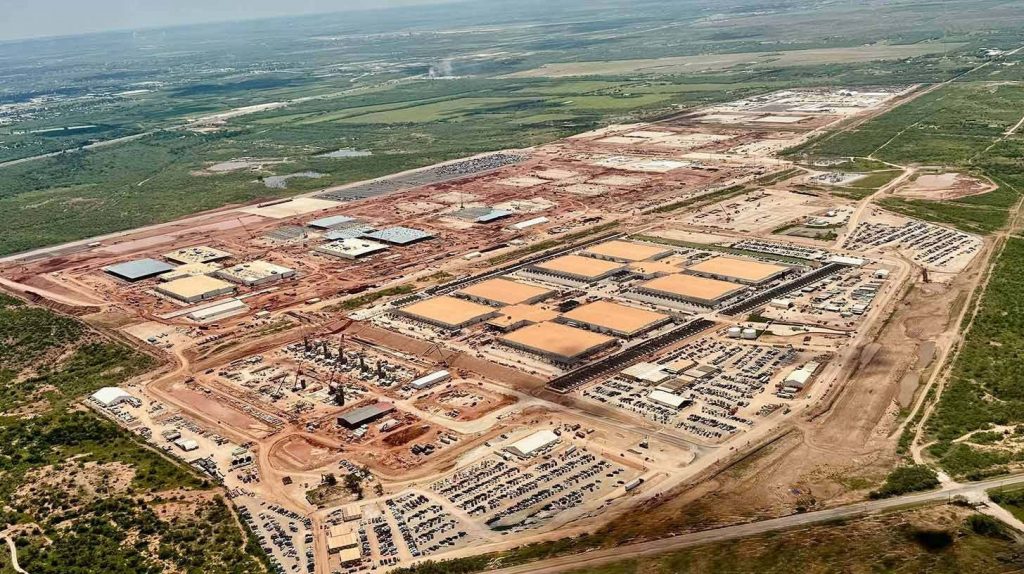
🧠5. The Real Purpose of Data Centers: Storage, Surveillance, and Behavioral Control
The mainstream narrative says:
“Data centers are for AI.”
But the timeline contradicts that. We had AI long before hyperscale data centers.
What we didn’t have was:
- Continuous behavioral telemetry
- Cloud‑based identity systems
- Real‑time location tracking
- Massive biometric storage
- Predictive policing models
- Corporate‑government data sharing pipelines
EESI reports that U.S. data centers processed 50 zettabytes of data in 2024 alone.
That’s not “AI.” That’s total data retention.
The infrastructure being built is not for “AI assistants.” It’s for permanent digital records of human life.
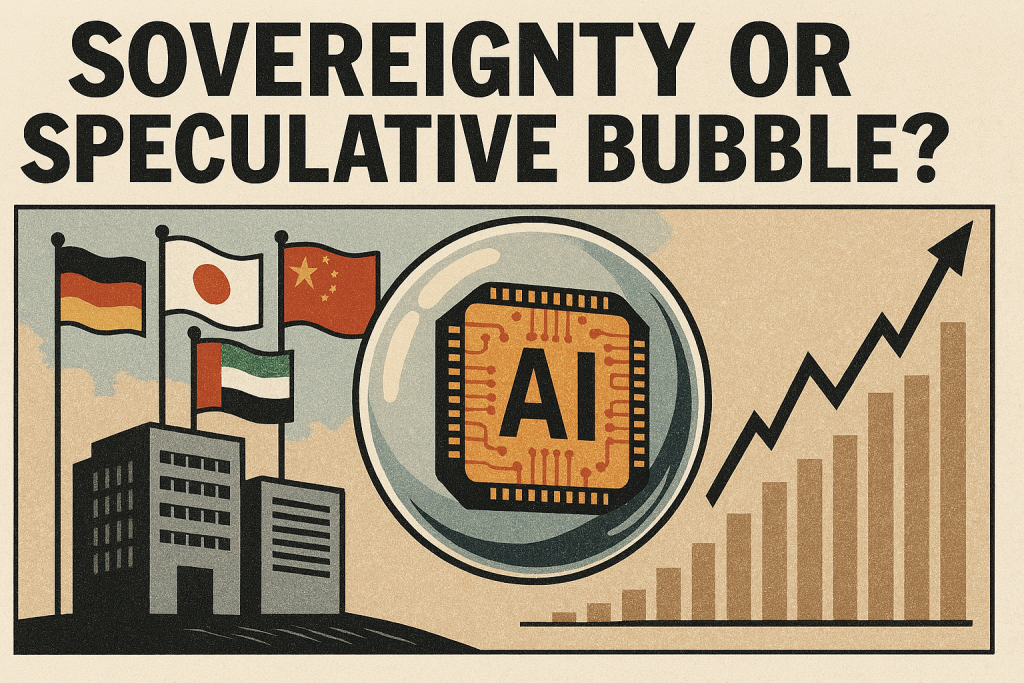
📈6. The Bubble: AI Valuations Are Built on Subsidized Infrastructure
The entire AI boom rests on:
- Cheap electricity
- Cheap water
- Cheap land
- Publicly funded grid upgrades
- Tax abatements
- State‑level incentives
- Federal subsidies
This is why AI valuations look like a bubble: They are not priced on true operating costs.
Power Magazine warns that the U.S. grid is “out of sync” and cannot support the incoming load without massive public investment.
S&P Global reports that transmission projects are 25% behind schedule, worsening congestion and delaying renewable integration — while data center demand surges ahead.
If AI companies had to pay:
- Full grid upgrade costs
- Full water usage costs
- Full carbon costs
- Full land and zoning costs
Their margins would evaporate.
Thus the only way the bubble survives is:
Make the public pay for the infrastructure. Call it “innovation.” Call it “the future.” Call it “inevitable.”

🐿️The Final Nuts
The deeper truth behind this entire story is that AI didn’t spark a technological revolution so much as it engineered a resource‑extraction economy disguised as progress. What’s being sold to the public as a leap forward in intelligence is, in practice, a massive expansion of industrial‑scale consumption — electricity, water, land, and public infrastructure — all quietly redirected to serve the needs of a handful of private companies. The rhetoric is futuristic, but the mechanics are as old as empire: take from the commons, privatize the gains, and wrap the whole thing in the language of inevitability.
And despite the marketing, data centers aren’t being built for “AI assistants” or productivity miracles. They’re being built for total data retention — the permanent storage of human behavior, identity, movement, communication, and productivity. AI is the glossy interface; the real engine is the accumulation and monetization of data at a scale that requires industrial‑grade infrastructure. These facilities are not temples of intelligence; they are vaults of surveillance, built to house the raw material of algorithmic governance. The public is told they’re supporting innovation, but what they’re actually underwriting is the architecture of behavioral control.
This is why the public is being maneuvered into subsidizing the entire system. The AI boom only works if someone else pays for the electricity, the water, the transmission lines, the substations, the gas plants, and the municipal expansions. If AI companies had to shoulder the true cost of their operations, the bubble would deflate instantly. So the burden is shifted — quietly, strategically, and with bipartisan enthusiasm — onto ratepayers, taxpayers, and local communities who never asked for this infrastructure but are now financially responsible for it. The public is footing the bill for a private digital empire that will, in turn, be used to monitor, score, and manage the same public that paid for it.
In the end, this is the largest wealth transfer from everyday people to tech corporations in modern U.S. history — and it’s happening under the banner of innovation. The public is told this is the future. But the future they’re being asked to fund is one where their own data becomes the commodity, their own resources become the fuel, and their own lives become the product.
That’s the final nut: the AI revolution isn’t being built for the public. It’s being built on the public.
any questions or concerns please comment below or Contact Us here

📚 Curated Source List
- Bloomberg — PJM Grid Costs Hit New Record
- Bloomberg via EnergyConnects — Data Centers Added $6.5B to PJM Costs
- Utility Dive — Data Centers Were 40% of PJM Capacity Costs
- Cryptopolitan — AI Data Centers’ Water Crisis
- Morocco World News — AI’s Water & Energy Footprint
- EthicalGEO — Data Centers’ Water Use
- Power Magazine — U.S. Grid Out of Sync With Data Center Growth
- S&P Global — Transmission Projects Lag as Data Center Demand Surges
- Wunderlich‑Malec Engineering — Grid Limitations for Hyperscale Loads
- EESI — Data Center Energy & Water Consumption
- IEA — Data Center Electricity Demand Outlook
- Nature — Water Footprint of AI Model Training
- Georgetown CSET — AI, Surveillance, and Data Infrastructure
- EFF — Cloud Data Retention & Government Access
- Brookings — AI, Governance, and Behavioral Monitoring
- 🪖 Part 3 — OpenAI Tries to Put the Fire Out
- Pentagon Blacklists Anthropic as OpenAI Steps In: Inside the AI Power Struggle
- “The Pentagon’s AI Ultimatum: When the State Demands the Machines Obey”
- “AI Career Training”: The Truth About Google’s AI Professional Certificate
- China’s Spring Festival Gala Becomes a Robotics Showcase, Signaling a New Technological Era

Leave a Reply